


Introduction Regular oil changes are essential for maintaining the longevity and optimal performance of any vehicle. However, you may have noticed that different car manufacturers recommend varied oil change intervals for their vehicles. This discrepancy can be attributed to several factors, such as engine design, oil type, driving conditions, and technological advancements. In this article, we will delve into the reasons behind these varying intervals and specifically focus on Audi car service centers in Delhi, shedding light on how they tailor their services to meet the unique requirements of Audi vehicles. Engine Design and Oil Type Car manufacturers like Audi design their engines with specific requirements in mind. High-performance engines, for instance, generate more heat and stress, necessitating higher-quality lubricants that can withstand extreme conditions. Furthermore, advancements in oil technology have led to the development of synthetic oils that offer superior protection and longevity compared to conventional mineral oils. As a result, some modern Audi models use synthetic oils, allowing for extended oil change intervals. Driving Conditions The driving conditions a car is exposed to play a crucial role in determining the frequency of oil changes. Vehicles that regularly operate under severe conditions, such as stop-and-go city driving, towing heavy loads, or driving in extreme temperatures, put more stress on the engine and its lubrication system. Consequently, such driving conditions may warrant more frequent oil changes to ensure optimal engine performance and longevity. On the other hand, cars that are used for mostly highway driving or gentle commutes may have longer oil change intervals. Technological Advancements Modern cars, including Audi vehicles, come equipped with sophisticated onboard sensors and computer systems that monitor various parameters, including oil life. These systems use algorithms to analyze data such as engine temperature, driving habits, and load conditions to determine the ideal time for an oil change. This technology, known as Engine Oil Life Monitoring (EOLM), helps optimize oil change intervals based on the actual condition of the oil, making them more precise and tailored to individual driving habits. Also Read – Are High Taxes Killing The Luxury Car Market In India Manufacturer Recommendations Car manufacturers, including Audi, conduct extensive research and testing to determine the most suitable oil change intervals for their vehicles. These recommendations take into account the factors mentioned above and aim to strike a balance between engine performance, longevity, and customer convenience. Following the manufacturer’s recommended oil change intervals ensures that your Audi remains in peak condition and can help maintain the validity of the warranty. Audi Car Service Centers in Delhi In Delhi, the capital city of India, Audi owners have access to authorized service centers specifically tailored to meet the needs of their high-end vehicles. These Audi car service centers employ certified technicians with specialized training in Audi engineering and use genuine parts and lubricants. The service centers offer a range of services, including oil changes, regular maintenance, diagnostics, and repairs, all aimed at keeping Audi vehicles performing at their best. Key Features of Audi Car Service Centers in Delhi: a) Expertise: The service centers employ skilled technicians who possess an in-depth understanding of Audi’s advanced engineering. These experts can diagnose and address issues efficiently, ensuring your Audi operates at its peak potential. b) Genuine Parts: Using authentic Audi parts and accessories during maintenance and repairs ensures that your vehicle’s performance and safety remain uncompromised. These genuine parts are designed to fit perfectly with Audi models, guaranteeing optimal performance and longevity. c) Cutting-edge Equipment: Audi service centers are equipped with state-of-the-art diagnostic tools and equipment, allowing technicians to pinpoint potential problems accurately and implement the necessary solutions effectively. d) Personalized Approach: Audi service centers understand that each Audi model and owner’s driving habits are unique. Therefore, they tailor their services and maintenance schedules accordingly, providing a personalized experience that ensures the best possible care for your Audi. e) Transparent Communication: Audi service centers maintain transparency in their dealings with customers, providing detailed explanations of the services required and the associated costs. This helps build trust and fosters a long-term relationship between the service center and Audi owners. Also, Read- Why should you choose a workshop for your car service? Conclusion The varied oil change intervals in cars, including Audi vehicles, are a result of careful consideration of several factors such as engine design, oil type, driving conditions, and technological advancements. Audi car service centers in Delhi stand out for their expertise, the use of genuine parts, cutting-edge equipment, personalized approach, and transparent communication. By entrusting your Audi’s maintenance to these authorized service centers, you can ensure that your car receives the best care, enhancing its performance and longevity while maintaining the validity of its warranty.
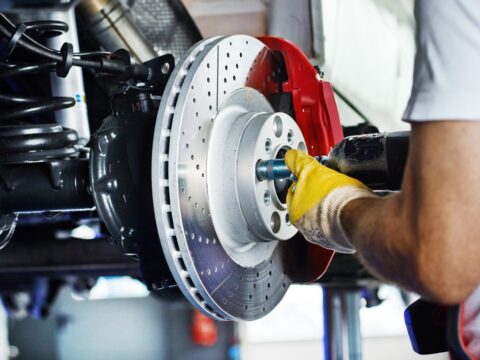
When choosing the right brake pads for your Audi car, there are several factors to consider to ensure optimal performance and safety. Here are some steps to help you select the right brake pads: Consult your Audi service center: The Audi service center is an excellent resource for guidance on choosing the right brake pads for your specific Audi model. They have extensive knowledge of the vehicle’s specifications and can recommend the most suitable brake pads for your car.Consider your driving style: Your driving style plays a crucial role in selecting the appropriate brake pads. If you drive aggressively or frequently engage in spirited driving, you may need high-performance brake pads designed to withstand higher temperatures and provide better stopping power. For more typical city or highway driving, standard or semi-metallic brake pads should suffice.Determine your brake pad material: Brake pads are available in different materials, each offering distinct characteristics. The common types are: Also Read – What are the pros and cons of an Audi car? a) Organic brake pads: These are made from a composite of organic materials, such as rubber, fibers, and resin. They provide quiet operation, low dust production, and good initial bite. However, they may wear faster and have reduced performance at high temperatures. b) Semi-metallic brake pads: These pads contain a mix of metal fibers, such as steel or copper, along with organic materials. They offer improved heat dissipation and durability compared to organic pads. However, they can be noisier and produce more brake dust. c) Ceramic brake pads: Ceramic pads are composed of ceramic fibers, bonding agents, and other additives. They provide excellent stopping power, low noise, minimal dust production, and extended pad life. However, they tend to be more expensive than other options. 4. Consider OEM or aftermarket options: Original Equipment Manufacturer (OEM) brake pads are made by the same manufacturer as your Audi vehicle and are designed to meet the vehicle’s specifications. They provide reliable performance but can be relatively expensive. Aftermarket brake pads, on the other hand, are produced by third-party manufacturers. They may offer more variety and potentially cost less, but be sure to choose reputable brands that meet or exceed OEM standards. 5. Read reviews and seek recommendations: Before purchasing brake pads, read customer reviews and seek recommendations from other Audi owners or automotive enthusiasts. Their experiences can provide valuable insights into the performance and reliability of different brake pad options. 6. Consider your budget: Brake pads come at various price points. While it’s essential to prioritize quality and safety, consider your budget when making a final decision. Remember that investing in high-quality brake pads can enhance your driving experience and ensure your safety on the road. 7. By considering these steps and consulting with your Audi service center, you can choose the right brake pads that best suit your driving needs and ensure optimal performance for your Audi car.
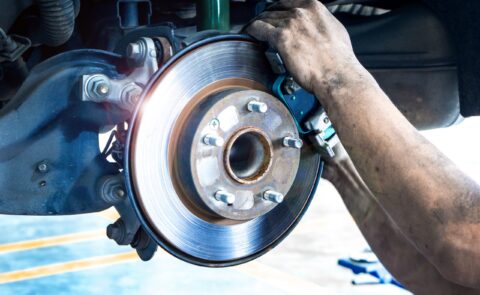
Knowing when to replace brake pads is crucial for maintaining the safety and performance of your vehicle. Brake pads are a vital component of the braking system that help stop your vehicle by creating friction against the brake rotors. Over time, brake pads wear down due to the constant contact and heat generated during braking. Here are some important factors to consider when determining the right time to replace your brake pads. Front Disk brake assembly on a modern car. Brake job in progress Also Read- BMW Service Thickness: Brake pads have a minimum recommended thickness, and it’s essential to monitor their thickness regularly. Most manufacturers provide specifications for the minimum thickness in the vehicle’s owner manual. You can also visually inspect the brake pads to assess their thickness. If the brake pads appear significantly thinner than when they were new, it’s likely time to replace them.Wear Indicators: Many brake pads have wear indicators built into them. These are small metal tabs that are designed to make contact with the brake rotor when the brake pads wear down to a certain level. When you hear a high-pitched squeaking or squealing noise during braking, it can indicate that the wear indicators are making contact with the rotor. This noise is a clear signal that your brake pads are due for replacement.Mileage: While mileage alone is not a definitive indicator of when to replace brake pads, it can provide a rough estimate. In general, brake pads can last anywhere from 30,000 to 70,000 miles, depending on driving habits, road conditions, and the quality of the brake pads. However, it’s essential to note that driving conditions and habits vary, so it’s best to inspect the brake pads regularly rather than relying solely on mileage.Brake Fluid Changes: Brake fluid plays a crucial role in the braking system, and regular maintenance, including brake fluid changes, is necessary. During a brake fluid change, it’s a good opportunity to inspect the condition of the brake pads. A mechanic can assess the thickness and condition of the pads and provide guidance on whether they need replacement.Brake Performance: If you notice a decrease in braking performance, such as a longer stopping distance or the need to apply more pressure on the brake pedal, it’s a sign that your brake pads may be worn. Reduced braking performance can compromise your safety on the road, so it’s important to have the brake pads inspected and replaced if necessary.Visual Inspection: Regularly inspecting your brake pads can provide valuable insights into their condition. You can visually examine the brake pads through the wheel spokes or by removing the wheel if necessary. Look for signs of excessive wear, uneven wear patterns, or any damage to the brake pads. If you are unsure about what to look for, consult a professional mechanic who can assist you.Warning Lights: Some vehicles are equipped with brake pad wear sensors that trigger a warning light on the dashboard when the brake pads are worn out. If you see the brake pad warning light illuminated, it’s a clear indication that the brake pads need immediate attention and replacement. Also Read – Premium Cars Service Repair It’s important to note that these factors are general guidelines, and the specific replacement interval for brake pads can vary depending on the vehicle make and model, driving conditions, and personal preferences. Always refer to the manufacturer’s recommendations and consult with a qualified mechanic if you have any doubts or concerns about the condition of your brake pads. Remember, maintaining the integrity of your braking system is crucial for your safety and the safety of others on the road. Regular inspections, awareness of warning signs, and timely replacement of brake pads will help ensure optimal braking performance and peace of mind while driving.
India, known for its diverse culture and vibrant heritage, also boasts a burgeoning market for exotic and luxury cars. However, amidst the allure and opulence, a growing number of these prestigious vehicles find themselves in the painful grasp of impoundment. This article delves into the circumstances surrounding the impoundment of exotic and luxury cars in India, shedding light on the reasons behind such incidents and the impact they have on owners and enthusiasts. Reasons for Impoundment (approx. 200 words): There are various reasons why exotic and luxury cars face impoundment in India. One primary cause is the violation of traffic rules and regulations. Speeding, reckless driving, and overtaking in no-overtaking zones are some common offenses committed by owners of such vehicles. The allure of high-performance engines coupled with an absence of responsible driving often leads to these violations, resulting in impoundment. Additionally, non-compliance with documentation requirements can also lead to impoundment. Owners failing to renew their insurance policies, obtain necessary permits, or possess valid licenses are at risk of having their vehicles impounded. Moreover, vehicles operating without proper registration or number plates can be subjected to impoundment by traffic authorities. Implications for Owners and Enthusiasts (approx. 200 words): The impoundment of exotic and luxury cars can have severe consequences for owners and enthusiasts. Firstly, there is the significant financial impact. Owners invest substantial amounts of money to purchase these high-end vehicles, and the subsequent impoundment can result in hefty fines, legal expenses, and impoundment charges. Additionally, the loss of use and potential damage to the vehicle during impoundment further exacerbate the financial burden. The impoundment also tarnishes the reputation and prestige associated with owning an exotic or luxury car. Owners may face public scrutiny and criticism, impacting their social standing and image. The psychological impact of having one’s prized possession impounded can be distressing, causing stress and embarrassment. Furthermore, impoundment disrupts the enjoyment and utility of these vehicles. Owners are deprived of the pleasure and convenience of driving their prized possessions, hampering their overall experience and potentially affecting their enthusiasm for luxury cars. Measures to Prevent Impoundment (approx. 230 words): To avoid the painful impoundment of exotic and luxury cars, several measures can be taken. Firstly, it is crucial for owners to familiarize themselves with and adhere to traffic rules and regulations. Responsible driving practices, such as following speed limits and refraining from reckless maneuvers, can help prevent violations that may lead to impoundment. Maintaining proper documentation is equally important. Owners must ensure their insurance policies are valid and up to date, licenses are renewed timely, and necessary permits are obtained. By fulfilling these requirements, the risk of impoundment due to non-compliance is significantly reduced. Regular vehicle maintenance and servicing are also essential. Ensuring that vehicles are roadworthy and comply with safety standards reduces the chances of impoundment resulting from mechanical failures or faulty equipment. Education and awareness programs can play a vital role in promoting responsible ownership and preventing impoundment incidents. Engaging owners and enthusiasts through workshops, seminars, and campaigns can foster a culture of responsible driving and compliance with regulations. Conclusion (approx. 100 words): The impoundment of exotic and luxury cars in India brings forth the consequences of irresponsible ownership and violation of traffic rules. From financial burdens to reputational damage and the loss of enjoyment, the impact on owners and enthusiasts is significant. By understanding and adhering to traffic regulations, maintaining proper documentation, and promoting responsible ownership, the likelihood of impoundment can be minimized. It is essential for both authorities and owners to

Luxury cars often come equipped with a wide range of features that can make driving a truly immersive and enjoyable experience. Here are ten fascinating luxury car features that many people drool for: Also Read – Audi Service and Repair Centre Massage Seats: Some luxury cars offer seats with built-in massage functions. These seats can provide soothing massages during long drives, offering relaxation and comfort.Night Vision: Night vision technology uses infrared sensors and cameras to detect objects in the dark. It can display a clear image of the road ahead, enhancing safety and visibility during nighttime driving.Heads-Up Display (HUD): HUD projects essential information, such as speed, navigation instructions, and safety warnings, onto the windshield. This feature allows drivers to keep their eyes on the road while accessing vital information.Surround Sound Systems: High-quality audio systems with multiple speakers strategically positioned throughout the car can provide an immersive audio experience. Some luxury cars even feature premium sound systems developed by renowned audio brands.Adaptive Cruise Control: Adaptive cruise control uses radar or sensors to maintain a safe distance from the vehicle ahead. It can automatically adjust the car’s speed to match the traffic flow, making long drives more comfortable and less fatiguing.Gesture Control: Gesture control technology allows drivers to perform various functions, such as adjusting the volume, answering calls, or changing radio stations, with simple hand gestures. It adds a touch of futuristic interactivity to the driving experience.Air Suspension: Air suspension systems offer a smoother and more comfortable ride by adjusting the vehicle’s suspension based on road conditions. It can also allow the driver to raise or lower the car’s height for improved clearance or ease of entry.Night Sky Simulation: Some luxury cars feature panoramic sunroofs with built-in LED lights that mimic a starry night sky. This feature can create a relaxing ambiance and add an element of elegance to the interior.Active Lane Keeping Assist: Active lane keeping assist uses sensors and cameras to detect lane markings and gently steer the car back into the correct lane if the driver unintentionally drifts. It enhances safety and reduces the risk of accidents caused by driver inattention.Advanced Driver Assistance Systems (ADAS): Luxury cars often come equipped with a suite of advanced driver assistance systems, such as automatic emergency braking, blind-spot monitoring, lane departure warning, and rearview cameras. These features provide an extra layer of safety and convenience. These fascinating luxury car features combine cutting-edge technology, comfort, and convenience to elevate the driving experience to new heights. However, it’s worth noting that the availability of these features may vary depending on the make, model, and trim level of the luxury car.

There are several factors that can affect the luxury car market in India, including taxes, economic conditions, and consumer preferences. While high taxes can certainly impact the affordability and demand for luxury cars, it is not necessarily the sole reason for the market’s performance. India has a complex tax structure, and luxury cars are subject to various taxes and duties, including import duties, state-level taxes, and Goods and Services Tax (GST). These taxes can significantly increase the price of luxury cars, making them less affordable for many consumers. However, it is important to note that the luxury car market in India has been growing in recent years, despite the high taxes. According to a report by Statista, the luxury car market in India was valued at over USD 2.2 billion in 2020, and it is expected to continue to grow in the coming years. Also Read – Audi Service and Repair Centre in Delhi Other factors that may be contributing to the growth of the luxury car market in India include rising disposable incomes, changing consumer preferences, and the emergence of new luxury car brands in the country. Additionally, the government has introduced several initiatives to support the growth of the automobile industry in India, such as the “Make in India” campaign, which aims to promote local manufacturing and reduce dependence on imports. In conclusion, while high taxes can certainly impact the luxury car market in India, it is not the sole determining factor. Other economic, social, and political factors also play a role in shaping the market’s performance. Also Read – Mercedes service centre What will change if the taxes were lower? If taxes on luxury cars were lowered in India, it could have several potential impacts on the luxury car market. Here are a few possibilities: Increased affordability: Lower taxes could make luxury cars more affordable for a larger segment of consumers, which could increase demand for these vehicles.Increased sales: With increased affordability, luxury car sales could potentially increase, boosting the overall performance of the luxury car market in India.More competition: Lower taxes could also attract more luxury car brands to India, as it would become a more attractive market with a higher potential for sales.Economic growth: A stronger luxury car market could also have positive spillover effects on the broader economy, such as creating jobs and stimulating growth in related industries.Revenue loss: On the other hand, the government would face a potential revenue loss if taxes were lowered, which could impact public spending on other areas such as infrastructure, education, and healthcare. Also Read – BMW Service/Repair Centre in Delhi It’s important to note that the impact of lower taxes on the luxury car market would depend on a range of factors, including consumer preferences, economic conditions, and the competitive landscape. Lower taxes alone may not be enough to drive growth in the luxury car market, but they could be one piece of the puzzle.