

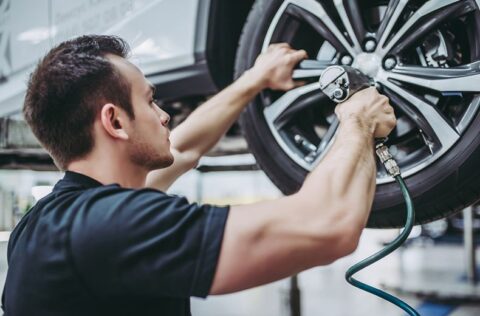
Car servicing is a crucial aspect of vehicle ownership that ensures your car runs smoothly, efficiently, and safely. Regular maintenance helps prevent unexpected breakdowns, extends the lifespan of your vehicle, and maintains its resale value. To make the most of your car servicing appointment, it’s important to understand what should be included. In this comprehensive guide, we’ll explore the key components that should be part of your car servicing Also Read- Audi Service and Repair Centre in Delhi Oil Change: Regular oil changes are fundamental to engine health. Engine oil lubricates moving parts, reduces friction, and helps dissipate heat. During a typical car service, the mechanic will drain the old oil, replace the oil filter, and refill the engine with fresh oil. The type of oil used may vary depending on your car’s make and model.Fluid Checks and Top-Ups: In addition to engine oil, other fluids need attention. These include transmission fluid, brake fluid, power steering fluid, and coolant. Regularly checking and topping up these fluids can prevent major issues and maintain your car’s overall performance.Brake Inspection: The braking system is critical for your safety. During servicing, the mechanic will inspect the brake pads, rotors, calipers, and brake lines. If any components are worn out or damaged, they will be replaced to ensure optimal braking performance.Tire Inspection and Rotation: Tires are essential for road grip and overall vehicle stability. Regular inspections include checking tire pressure, tread depth, and overall condition. Proper tire rotation helps ensure even wear and extends tire life.Air Filter Replacement: The air filter prevents contaminants from entering the engine. A clogged air filter can reduce engine performance and fuel efficiency. Replacing the air filter during servicing helps maintain clean airflow to the engine.Cabin Air Filter Replacement: The cabin air filter ensures the air you breathe inside the car is clean. A dirty or clogged cabin air filter can lead to poor air quality and decreased HVAC system efficiency. Replacing this filter ensures comfort and health while driving.Spark Plug Inspection/Replacement: Spark plugs play a crucial role in igniting the air-fuel mixture in the engine. Over time, they can wear out and affect engine performance. The mechanic will inspect and replace spark plugs if necessary.Battery Check: A healthy battery is essential for starting your car reliably. During servicing, the technician will inspect the battery, terminals, and cables. If the battery is weak or showing signs of corrosion, it may need to be replaced.Exhaust System Inspection: A well-functioning exhaust system is vital for emissions control and engine performance. During servicing, the mechanic will check for leaks, damaged components, or excessive rust and address any issues.Suspension and Steering Check: The suspension and steering components are crucial for a smooth and stable ride. Mechanics will inspect shocks, struts, ball joints, tie rods, and other parts for wear and tear. Proper alignment and suspension maintenance ensure safety and handling.Belts and Hoses Inspection: Timing belts, serpentine belts, and various hoses are critical for engine operation. These components deteriorate over time, so they need regular inspection and replacement to avoid engine damage or breakdowns.Lights and Electrical Systems: Ensuring all lights (headlights, taillights, turn signals, etc.) work correctly is essential for safety. The car servicing includes checking and replacing bulbs or addressing any electrical issues.Wheel Alignment: Proper wheel alignment ensures even tire wear, improves handling, and reduces fuel consumption. Technicians will adjust the alignment if necessary to keep your car driving straight and true.Computer Diagnostics: Modern cars are equipped with complex computer systems that monitor various aspects of vehicle performance. Mechanics will use diagnostic tools to check for error codes and address any electronic or sensor-related issues.Road Test: After completing all the necessary checks and replacements, a road test is typically performed to ensure that the car is running smoothly and that all issues have been addressed.Maintenance Schedule Review: Lastly, your service provider should provide you with a maintenance schedule tailored to your car’s make and model. This schedule outlines when specific services should be performed in the future, helping you stay on top of your vehicle’s needs. It is important to follow your manufacturer’s recommended service intervals and find a reliable mechanic or service center to ensure that all these essential elements of car servicing are properly addressed. Taking care of your car through regular servicing is an investment in its longevity and your safety on the road. In conclusion, a comprehensive car servicing should include a thorough examination of various components, from the engine to the brakes and everything in between. Regular servicing not only keeps your vehicle running smoothly but also enhances safety, extends its lifespan, and helps maintain its value.
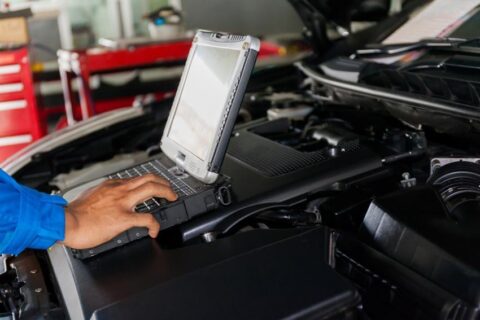
At wheel force center, we understand the importance of regular car maintenance to keep your vehicle running smoothly and efficiently. A major car service is a comprehensive check-up and maintenance routine that goes beyond regular oil changes and tire rotations. In this article, we will delve into the details of what a major car service includes and why it is essential for the longevity of your beloved vehicle. Also, Read – Audi Service 1. Thorough Inspection of the Vehicle During a major car service, our expert technicians perform a detailed inspection of various vehicle components. This includes checking the engine, transmission, brakes, suspension, exhaust system, and electrical components. By conducting a comprehensive examination, we can identify any underlying issues and address them promptly, ensuring that your car remains in top-notch condition. 2. Engine Diagnostic and Tune-Up The heart of your vehicle is its engine, and we treat it with utmost care. Our team uses state-of-the-art diagnostic tools to assess the engine’s performance and efficiency. We check for any irregularities, such as decreased power, strange noises, or increased emissions. If necessary, we perform a tune-up, adjusting the engine to its optimal settings for enhanced performance and fuel efficiency. 3. Replacement of Essential Fluids During a major car service, we replace vital fluids that are crucial for the proper functioning of your vehicle. This includes engine oil, transmission fluid, brake fluid, coolant, and power steering fluid. Fresh, clean fluids help to extend the life of various components and prevent unnecessary wear and tear. 4. Inspection and Replacement of Filters Filters play a crucial role in keeping your car’s systems clean and free from contaminants. We inspect and, if required, replace the engine air filter, cabin air filter, and fuel filter. This ensures that the air entering your engine is clean and that your vehicle’s interior is free from dust, pollen, and pollutants. Also Read – Mercedes Service 5. Brake System Maintenance Your safety is our top priority, and that’s why we pay special attention to the brake system. Our technicians inspect the brake pads, brake discs, brake lines, and brake fluid. We ensure that the braking system is in excellent condition, as any issues here can lead to dangerous driving situations. 6. Suspension and Steering Check A smooth and stable ride is essential for your comfort and driving pleasure. We inspect the suspension system, including shock absorbers and struts, and the steering components for any signs of wear or damage. If needed, we make necessary adjustments and replacements to maintain optimal handling and stability. 7. Exhaust System Examination A well-maintained exhaust system is crucial for reducing harmful emissions and improving fuel efficiency. Our technicians thoroughly inspect the exhaust system, including the catalytic converter and muffler, and make sure there are no leaks or blockages that could negatively impact your car’s performance. 8. Electrical System Inspection Modern vehicles heavily rely on complex electrical systems for various functions. During a major car service, we inspect the battery, alternator, and starter to ensure that they are operating efficiently. We also check the lights, wipers, and other electrical components to guarantee everything is working as it should. 9. Wheel Alignment and Tire Check Proper wheel alignment is essential for even tire wear and precise handling. We check the wheel alignment and, if necessary, adjust it to the manufacturer’s specifications. Additionally, we inspect the tires for any signs of damage or wear, and we recommend tire rotation if needed. 10. Road Test and Final Check Before handing your car back to you, we conduct a road test to verify that all the serviced components are functioning correctly. We ensure that there are no abnormal noises, vibrations, or issues during the test drive. After the road test, we perform a final check to make sure that all aspects of the major car service have been completed to the highest standards. Conclusion At wheel force centre, we take pride in offering a comprehensive major car service that covers all aspects of your vehicle’s maintenance. From thorough inspections and engine diagnostics to fluid replacements and brake system checks, our expert technicians leave no stone unturned. Regular major car servicing not only extends the life of your vehicle but also ensures your safety and driving pleasure. Don’t wait for your car to show signs of trouble. Schedule a major car service with us today and experience the difference in your car’s performance and reliability.
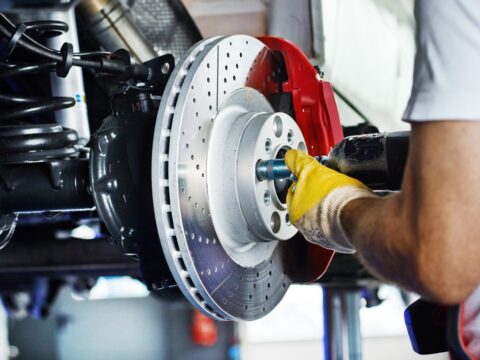
Knowing when to replace brake pads is crucial for maintaining the safety and performance of your vehicle. Brake pads are a vital component of the braking system that help stop your vehicle by creating friction against the brake rotors. Over time, brake pads wear down due to the constant contact and heat generated during braking. Here are some important factors to consider when determining the right time to replace your brake pads. Front Disk brake assembly on a modern car. Brake job in progress Also Read- BMW Service Thickness: Brake pads have a minimum recommended thickness, and it’s essential to monitor their thickness regularly. Most manufacturers provide specifications for the minimum thickness in the vehicle’s owner manual. You can also visually inspect the brake pads to assess their thickness. If the brake pads appear significantly thinner than when they were new, it’s likely time to replace them.Wear Indicators: Many brake pads have wear indicators built into them. These are small metal tabs that are designed to make contact with the brake rotor when the brake pads wear down to a certain level. When you hear a high-pitched squeaking or squealing noise during braking, it can indicate that the wear indicators are making contact with the rotor. This noise is a clear signal that your brake pads are due for replacement.Mileage: While mileage alone is not a definitive indicator of when to replace brake pads, it can provide a rough estimate. In general, brake pads can last anywhere from 30,000 to 70,000 miles, depending on driving habits, road conditions, and the quality of the brake pads. However, it’s essential to note that driving conditions and habits vary, so it’s best to inspect the brake pads regularly rather than relying solely on mileage.Brake Fluid Changes: Brake fluid plays a crucial role in the braking system, and regular maintenance, including brake fluid changes, is necessary. During a brake fluid change, it’s a good opportunity to inspect the condition of the brake pads. A mechanic can assess the thickness and condition of the pads and provide guidance on whether they need replacement.Brake Performance: If you notice a decrease in braking performance, such as a longer stopping distance or the need to apply more pressure on the brake pedal, it’s a sign that your brake pads may be worn. Reduced braking performance can compromise your safety on the road, so it’s important to have the brake pads inspected and replaced if necessary.Visual Inspection: Regularly inspecting your brake pads can provide valuable insights into their condition. You can visually examine the brake pads through the wheel spokes or by removing the wheel if necessary. Look for signs of excessive wear, uneven wear patterns, or any damage to the brake pads. If you are unsure about what to look for, consult a professional mechanic who can assist you.Warning Lights: Some vehicles are equipped with brake pad wear sensors that trigger a warning light on the dashboard when the brake pads are worn out. If you see the brake pad warning light illuminated, it’s a clear indication that the brake pads need immediate attention and replacement. Also Read – Premium Cars Service Repair It’s important to note that these factors are general guidelines, and the specific replacement interval for brake pads can vary depending on the vehicle make and model, driving conditions, and personal preferences. Always refer to the manufacturer’s recommendations and consult with a qualified mechanic if you have any doubts or concerns about the condition of your brake pads. Remember, maintaining the integrity of your braking system is crucial for your safety and the safety of others on the road. Regular inspections, awareness of warning signs, and timely replacement of brake pads will help ensure optimal braking performance and peace of mind while driving.
Regular maintenance on your BMW is necessary to keep it operating as efficiently as possible and to increase its longevity. The technique used by BMW to determine when each model needs maintenance is due is quite exact. There are a few easy actions you may take to see if your BMW needs maintenance. You can easily look for bmw service center in delhi. If you want to know if your BMW needs maintenance, go to the iDrive Controller, click “Vehicle Status,” then “Service Required,” and search for the following symbols. Each maintenance category has a green “OK” mark next to it, signifying that no maintenance is necessary.The approaching deadline for service or a checkup is indicated by a yellow triangle, and the owner should schedule an appointment with a BMW shop.The service deadline is indicated by a red triangle, which means it has already gone. A display additionally depicts part(s) of the vehicle with distinct colored highlights that indicate whether service is required on the right half of the “Service Required” screen. A green accent indicates that no maintenance is necessary.Red highlights indicate items that need maintenance. Along with the mileage, the screen also shows the month and year that the necessary maintenance is due as well as the due date. The due date or the mileage mark, whichever comes first, should be brought in for maintenance on or before the scheduled appointment. Always look for professional BMW Repair Centre in Delhi. Establishing the bar for service in BMW The keys to enjoying your BMW are maximum safety and comfort while driving, which are ensured by routine BMW maintenance. Your BMW notifies you when maintenance or wear-and-tear repairs are necessary with the help of our cutting-edge onboard maintenance technology Condition Based Service. There are many bmw service center among which you can choose the best. Also Read – 10 Essential Services your Car Needs Before a Road Trip Your BMW’s sensors regularly check the condition of each fluid and wear-and-tear component. The InfoDisplay on the dashboard will automatically show you when your next maintenance check is due. This makes it possible for our BMW Service technicians to evaluate needed repairs and maintenance before your car even gets to the store. You gain from a service that is quicker, more effective, and less expensive. Know about BMW inspection For your BMW to continue to operate safely and effectively while maintaining its value, a BMW inspection is a requirement. BMW routine checkups ensure that your vehicle keeps running like new, providing you with comfort and peace of mind while you’re on the road. Expert BMW Service technicians carefully inspect your BMW using cutting-edge diagnostic tools, and they then carry out the required maintenance to keep your vehicle up to BMW’s high standards of quality. The BMW examination looks at things like: – Change of micro-filter – Change of engine oil – Change of brake fluid Original BMW Engine Oils precisely maximize the performance, efficiency, and lifetime of BMW engines by upholding the highest standards of quality. With Original BMW Engine Oil and the years of experience of our service technicians, maintenance work on your BMW will be improved. How you can keep your BMW in good order? It takes more than an oil change to properly service a BMW engine. BMW Service professionals inspect a variety of extra equipment and components, including brakes and tyres, during a BMW oil service. With a BMW motor oil service, you receive a thorough engine oil service that goes far beyond a straightforward oil change and ensures your motor will last longer and perform better. These additional services are included in the BMW oil service: BMW oil changeIgnition plugs are replacedBMW oil changeAir and fuel filters (diesel only) are replacedThe oil filter is removed and replaced with a new filter. You can ask your local BMW Service Center for a complete breakdown of the work done. Original BMW Engine Oils precisely maximize the performance, efficiency, and lifetime of BMW engines by upholding the highest standards of quality. With Original BMW Engine Oil and the years of experience of our service technicians, maintenance work on your BMW will be improved. Faq- What maintenance is required on a BMW?Vehicle examination and testingCheck the brake fluidCheck the coolantCheck the engine oilBrake examination of the front and rear What is included in BMW vehicle check?Front end, suspension, and steering.Parking brake included, brakesSpeedometer and odometerDefroster, horn, and electrical systemHeadlamp aim, as well as lights and reflectors What is BMW maintenance cost?Due to the hand-built nature of BMW’s engines and transmissions, annual maintenance costs are significant.The 2015 survey indicates that the average maintenance costs are $1,831.BMWs can cost as little as $2,019 per year or as much as $3,213.